
Lee’s Search for a Way Out
Naked LunchThis thread traces Lee’s final reflections on escape, identity, and the possibility that freedom requires surrender rather than control.
increasing Bearing strength in each event
 decreasing
Bearing strength in each eventdecreasingA Writer in Motion
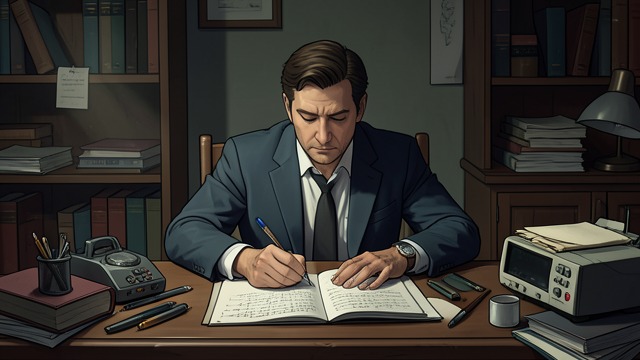
Recording the Present
The writer’s position
Lee describes writing as a record of what lies before the senses, not as a device for imposing a continuous plot. His account moves between memory, perception, and abrupt scene changes.
A form of escape
The fragmentary method resists the orderly systems that claim to explain or contain experience. The book’s movement becomes part of Lee’s search for a way beyond imposed control.
Possession and Patrol
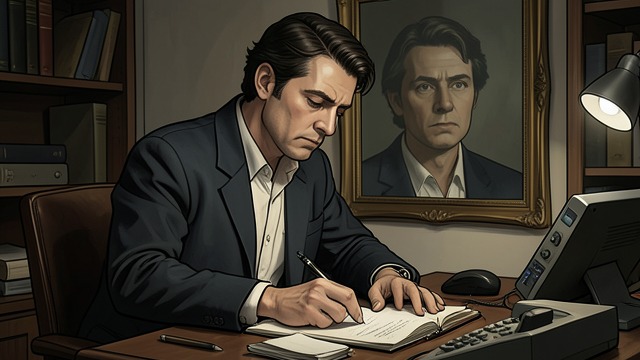
Uncertain Occupancy
A divided self
Lee describes himself as never fully present in his own body. He imagines an alien force moving his hands and thoughts while he tries to forestall its actions.
Control under suspicion
The image turns personal identity into contested territory. Even apparent self-command may be only a temporary position within a larger struggle over agency.
The Mirror’s Test
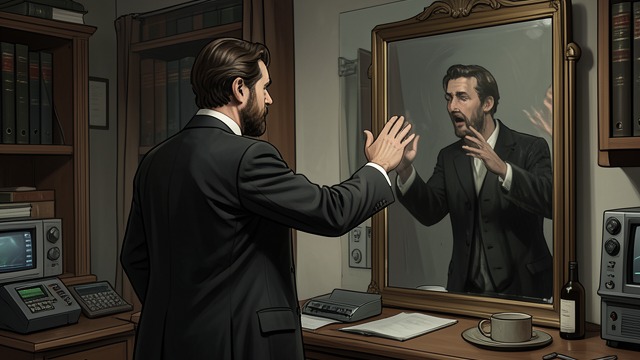
The Reflection
Separate action
Lee describes the terror of seeing a reflection that no longer obeys. The familiar mirror becomes a test of whether the self remains in control of its own image.
A threatened boundary
The possibility of independent movement appears as a crime because it breaks the expected relation between body and will. The scene condenses the book’s fear of both domination and separation.
The Resignation
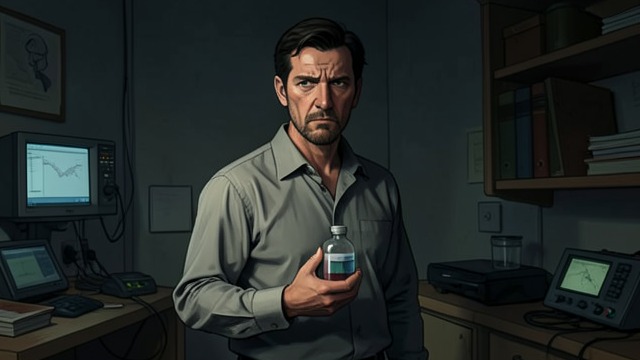
Refusing the Trade
A declaration
Lee says he wishes to stop selling the raw materials of death. The statement recognizes that participation has made him complicit in the systems he condemns.
No clean solution
The declaration offers moral clarity without an easy escape. Knowledge of harm does not undo the networks that have shaped his life or remove him from their reach.
The Open Door
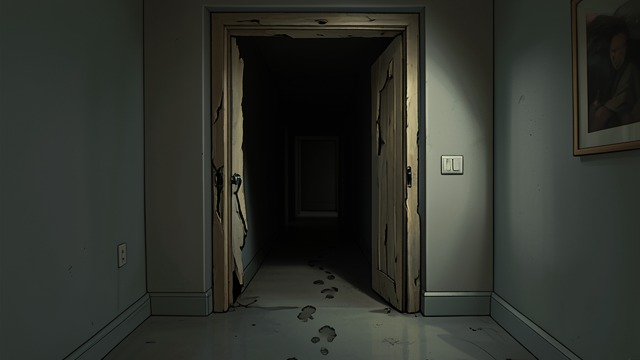
Any Entry Point
A fragmented book
The closing principle invites readers to enter the book at any intersection rather than follow a single linear route. Its structure makes disorientation part of the encounter.
Outward and inward
The final image joins escape to entry: the way out is also a way in. The novel ends by leaving its central conflicts open to renewed contact and interpretation.
In the closing reflections
During the late meditation on identity
Near the book’s final pages
At the late closing address
At the final statement
